


Port does not owe its name to the vineyards, but to the port from which it has been exported all over the world for centuries. The British are particularly fond of it and have had a considerable influence on its taste. Port can be red, but also white, usually sweet, occasionally dry. Recently, there has even been pink Port on the market.
Port is made by placing grapes in large containers one metre deep. Arm in arm, the grape pressers walk through the container to mix the skins and pips well with the juice, so that it gets a lot of colour. The fermentation is stopped prematurely by adding alcohol. The alcohol kills the yeasts while not all the sugars have been converted into alcohol. That is why Port tastes sweet.
The 'Port grapes' grow on slate soils. A large number may be used. And that is also done. Often they still grow crosswise in the vineyard. The most important are: Bastardo, Tinta Barroca, Tinta Roriz (Tempranillo), Tinto Cão, Touriga Nacional, Touriga Franca and Sousão for red Port. White Port is made from Verdelho, Esgana Cão, Folgasão, Rabigato, Viosinho and Malvasia Fina, among others.
There are two different styles of Port. Ruby Port is bright red in colour and very fruity. It is drunk young and may be sold from three years after it was made. A Tawny Port has a 'tanned', orange-red colour. This is because it has been stored in oak barrels for a longer period of time, and has therefore oxidised a little more. Tawny Port can become very old. Normal Ruby's and Tawny's are blends of different vintages.
There are quite a few types of Port. This can be confusing. We have listed them below.
Reserva Port is a higher quality ruby port. For the Reserva Port, better grapes are used from better slopes and the picking is more selective. A tasting panel tastes the port. If this panel is impressed, the port may be called Reserva.
Crushed Port still has some sediment in the bottle and that is where it gets its name from. It is a Ruby, of above-average quality, made from multiple vintages of Port.
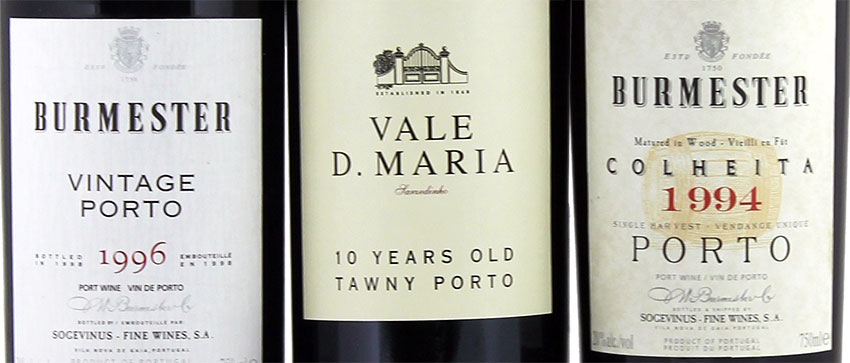
Vintage Port is a Port from a single harvest year and from the best vineyards. Vintage Port is only made in the best wine years. Top Port in short. It is bottled early, but can mature for many years. You can always read the year on the bottle. 'Handle with care', old Vintage Ports are expensive and need air to show themselves. Decanting is recommended.
Late Bottled Vintage Port is a Port that does not come from a Vintage year, but has developed very nicely. It can be bottled up to six years after the harvest.
Colheita is Portuguese for 'Vintage'. Colheita Port is made from one vintage and matured for more than seven years. Like an older Tawny, but from one wine year.
We currently have four Port wines in our range. You can view our Port wines here.



 Orange wine (27)
 Fresh (90)
 Light (36)
 Rosé (14)
 Aromatic (22)
 Medium (98)
 Sparkling (27)
 Ripe (71)
 Full-bodied (99)


