

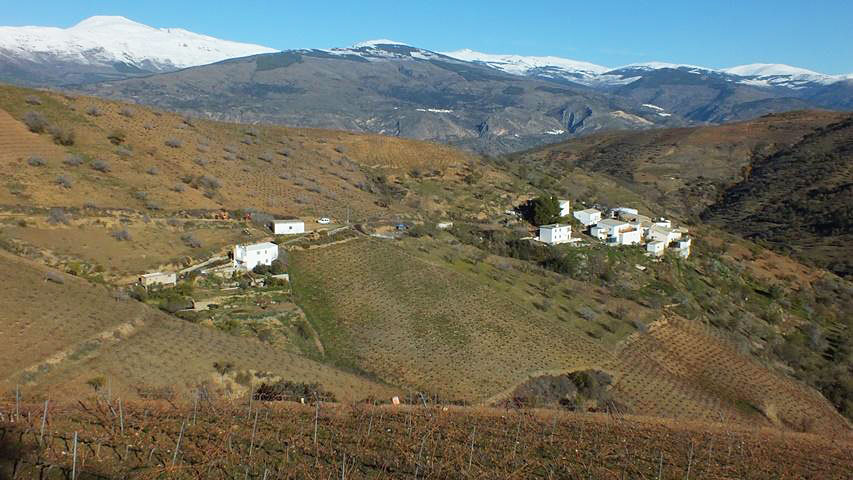
Bodegas García de Verdevique is a small winery near Granada in southern Spain. García de Verdevique makes natural wines: from organic grapes, unfiltered, unfined and without additives. The grapes come from Europe's highest-altitude vineyards, at 1,150 to 1,400 meters. These are remarkably characterful wines. More about Bodegas García de Verdevique
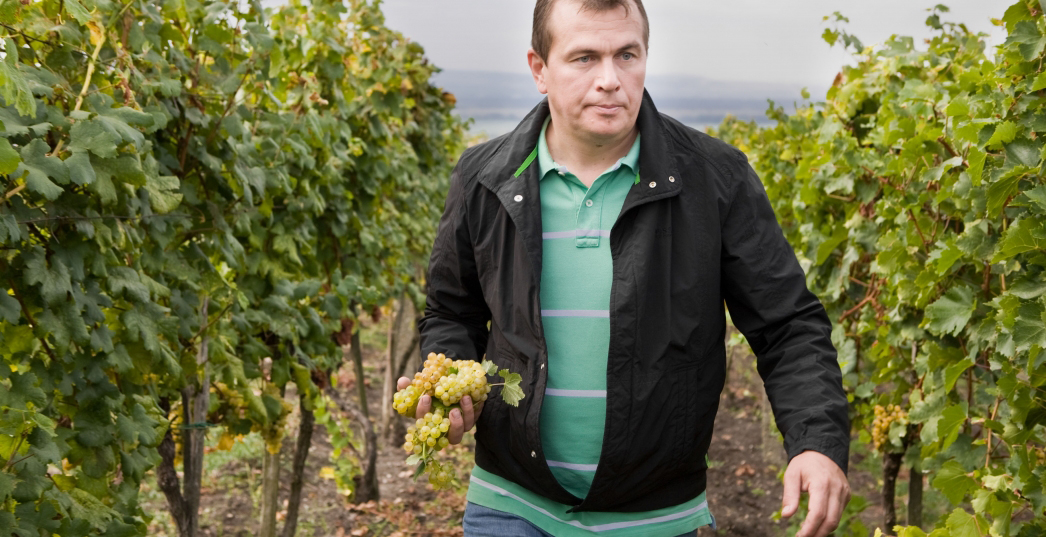
Bott-Frigyes is a special winemaker. He makes wines from volcanic vineyards in the south of Slovakia, right on the border with Hungary - a region where Hungarian is spoken, since it was part of Hungary until the First World War. Bott-Frigyes upholds the old wine traditions here, making lovely wines from Hungarian and international grapes, with little intervention in the cellar but a great deal of character in the glass. More about Bott Frigyes
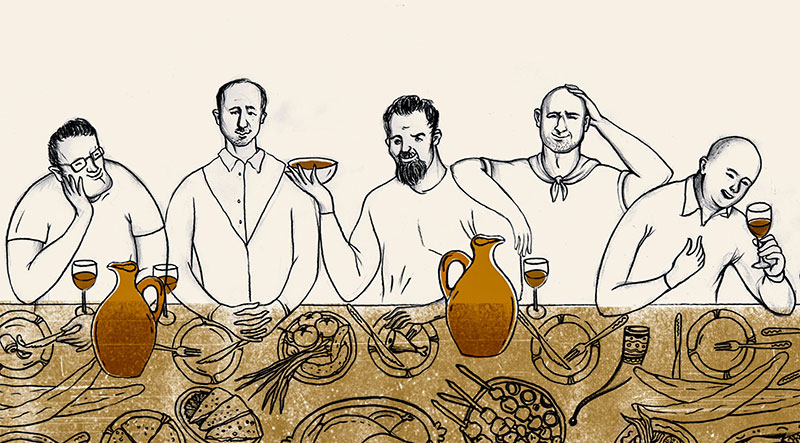
Casreli is a small wine farm from Kakheti in eastern Georgia. Casreli is a project by five doctor friends. It reads like an exciting boys' adventure story - they know each other from studying medicine in Tbilisi. In 2014 they started making wine together. In Kakheti that's a hobby practiced by thousands, but the men of Casreli were more serious about it. They started investing. A year later they planted their own vineyard, and a year after that they won gold and silver medals with their wines at the International Qvevri Wine Competition. More about Casreli Wines
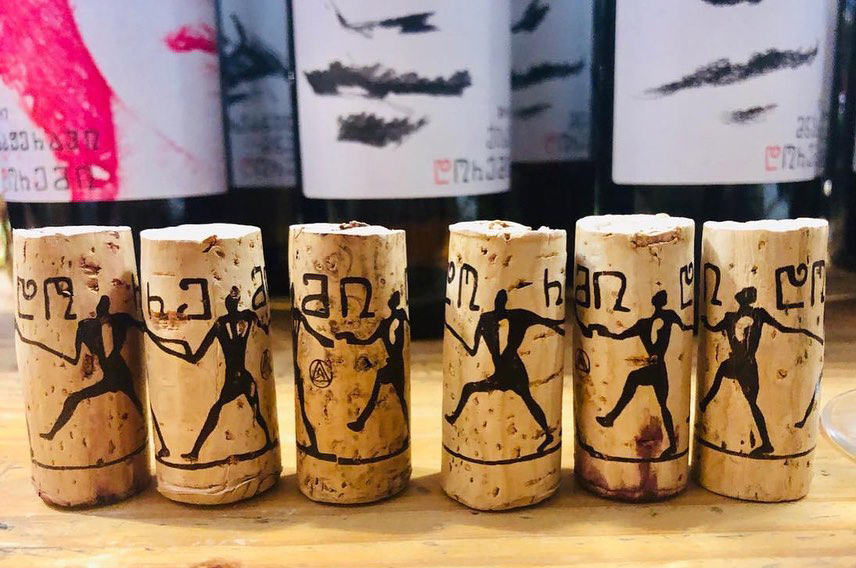
The DoReMi Wine Cellar is the project of two friends and winemakers: Giorgi Tsirghvava and Mamuka Tsiklauri. Since 2014 they have harvested organically grown grapes from vineyards in different parts of Georgia: Kakheti, Kartli and Imereti. All of DoReMi's wines are made in so-called qvevri, large earthenware jars buried in the cellar. DoReMi adds no additives, doesn't filter or fine, and uses an absolute minimum of sulfite. More about DoReMi
Ferdinando Principiano is a rising star among the winemakers of Piedmont. He runs a small family estate with barely more than 9 hectares of vineyards, following his own philosophy: nature must be allowed to do its work. So no pesticides and natural fermentation. His wines rank among the best of the Piedmont region. More about Ferdinando Principiano
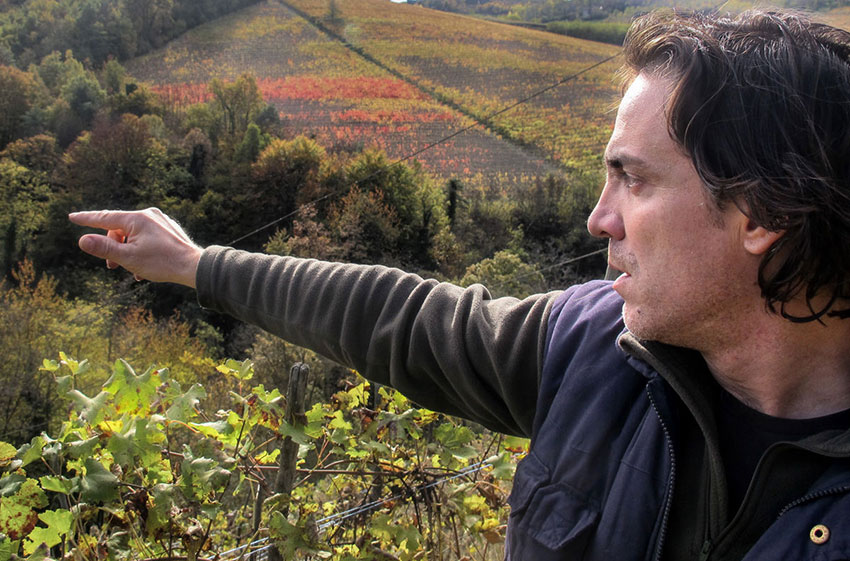
Kapistoni Winery is a small, young wine business from the Georgian province of Kartli, close to the capital Tbilisi. Kapistoni is the life's work of Niko Chochishvili, who remigrated from the United States in 2010. Winemaking was initially a 'side job', but Niko is deeply passionate - winemaking is his calling. In 2017 he had a wine cellar built, and since then his passion has become his life's work. He makes natural wines in qvevri, clean and pure. He uses grape varieties that are rare even in Georgia. More about Kapistoni Winery
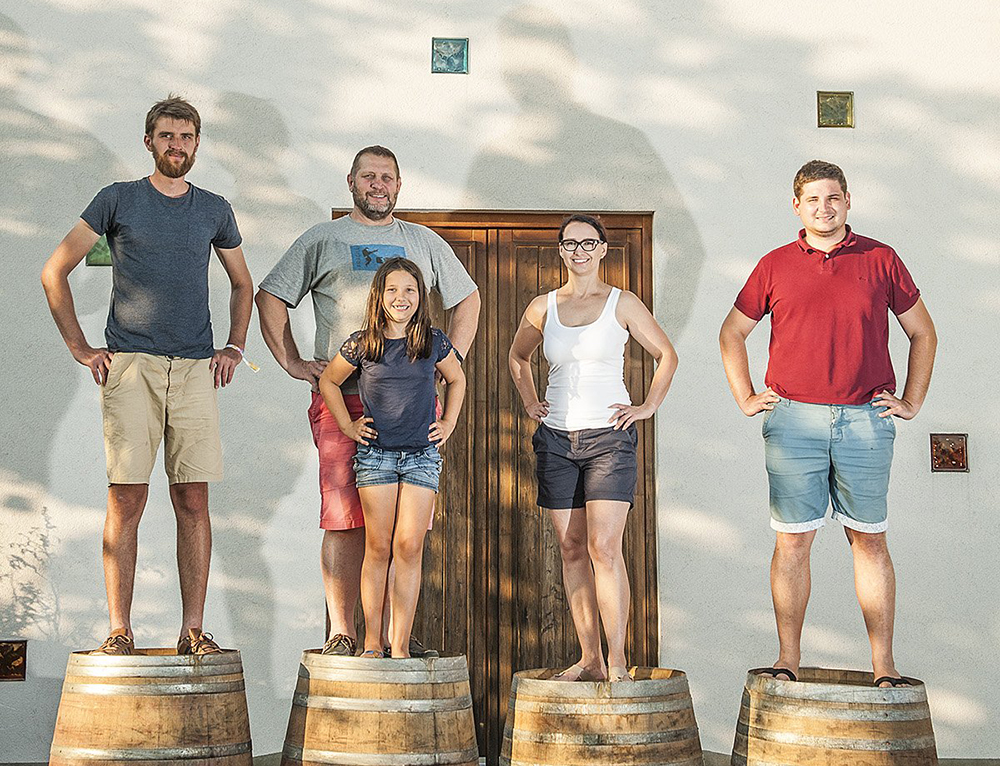
Krasna Hora is a small family business from southeastern Czechia, an hour's drive from Vienna. The Vybíral family has made wine here since the 1960s, for a long time in a biodynamic way. In recent years they have also started making natural wines. That's not always easy in this relatively cool area, which lies at the same latitude as Burgundy and Alsace. Their 'cool climate' wines are characterized by finesse and purity - low in alcohol and very refined. Krasna Hora is very successful, even supplying the house wines for Yotam Ottolenghi's restaurant in London. More about Krasna Hora
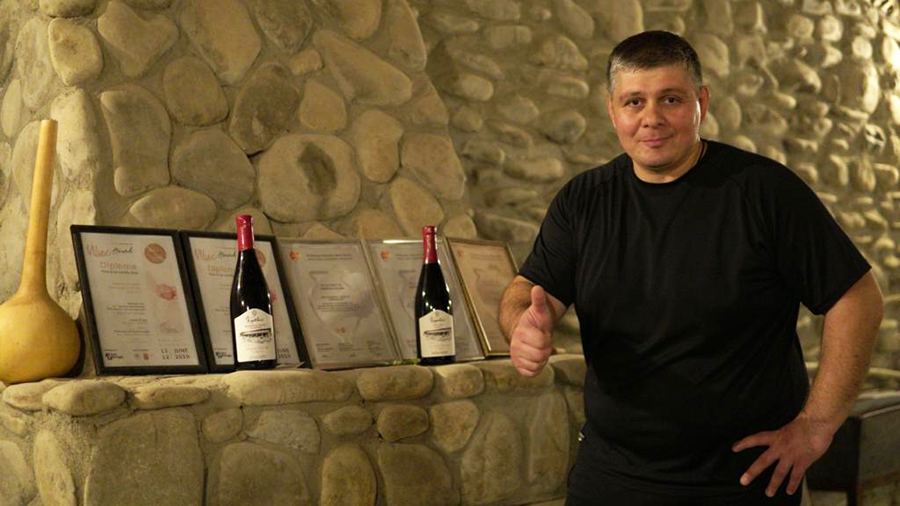
Papari Valley is a small winery run by the Kurdadze family from Georgia. They make natural wines according to the classic Georgian method: in the qvevri. The first wines were made in 2006, but it wasn't until 2015 that the Kurdadze family found their wines good enough to sell. Papari Valley's quality standards are high, but the effort pays off - Papari Valley's wines rank among the best natural wines of Georgia. More about Papari Valley
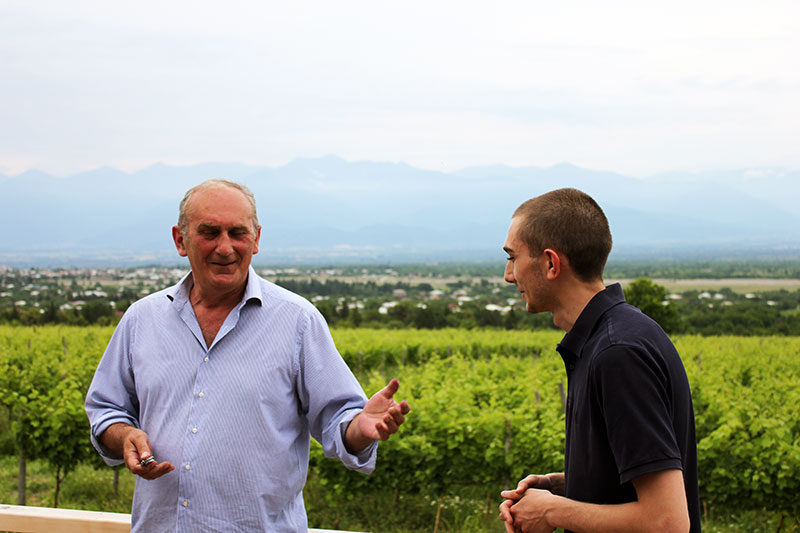
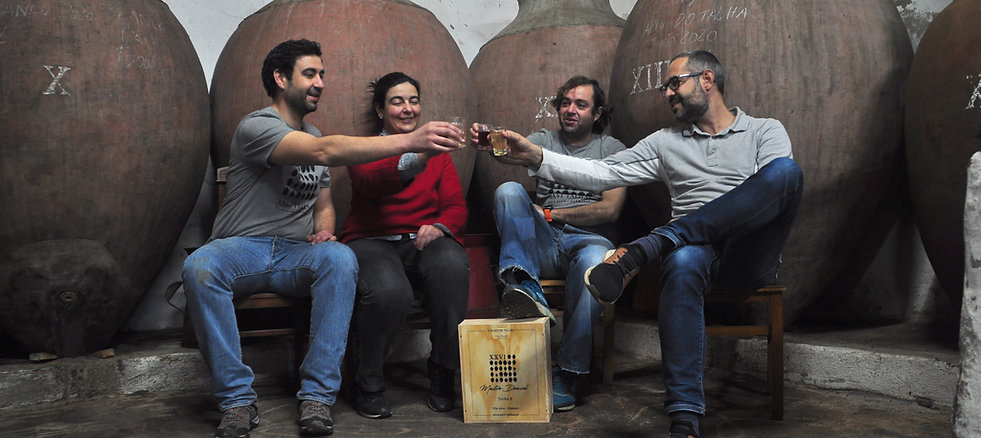
XXVI Talhas is the project of winemaker Ricardo Santos and his childhood friend Daniel Parreira. They grew up together in the village of Vila Alva in Alentejo, where once there were more talhas - the large earthenware jars used to make wine - than there were people living there. This ancient culture has almost entirely disappeared, but thanks in part to Ricardo and Daniel, not completely. Interest in this special way of making wine is greater than it has been in decades. More about XXVI Talhas




 Orange wine (27)
 Fresh (90)
 Light (36)
 Rosé (14)
 Aromatic (22)
 Medium (98)
 Sparkling (27)
 Ripe (71)
 Full-bodied (99)