


Although wine has probably been made on Cyprus for 6,000 years, the wines of the island are very unknown to us. That has to do with history. Only since the turn of the century have Cypriot winemakers focused on quality. There are now around 50 boutique wineries active. They make fine wines from, among other things, their indigenous grapes such as Xynisteri and Promara. And of course the very complex, intensely sweet Commandaria; one of the oldest quality wines in the world.
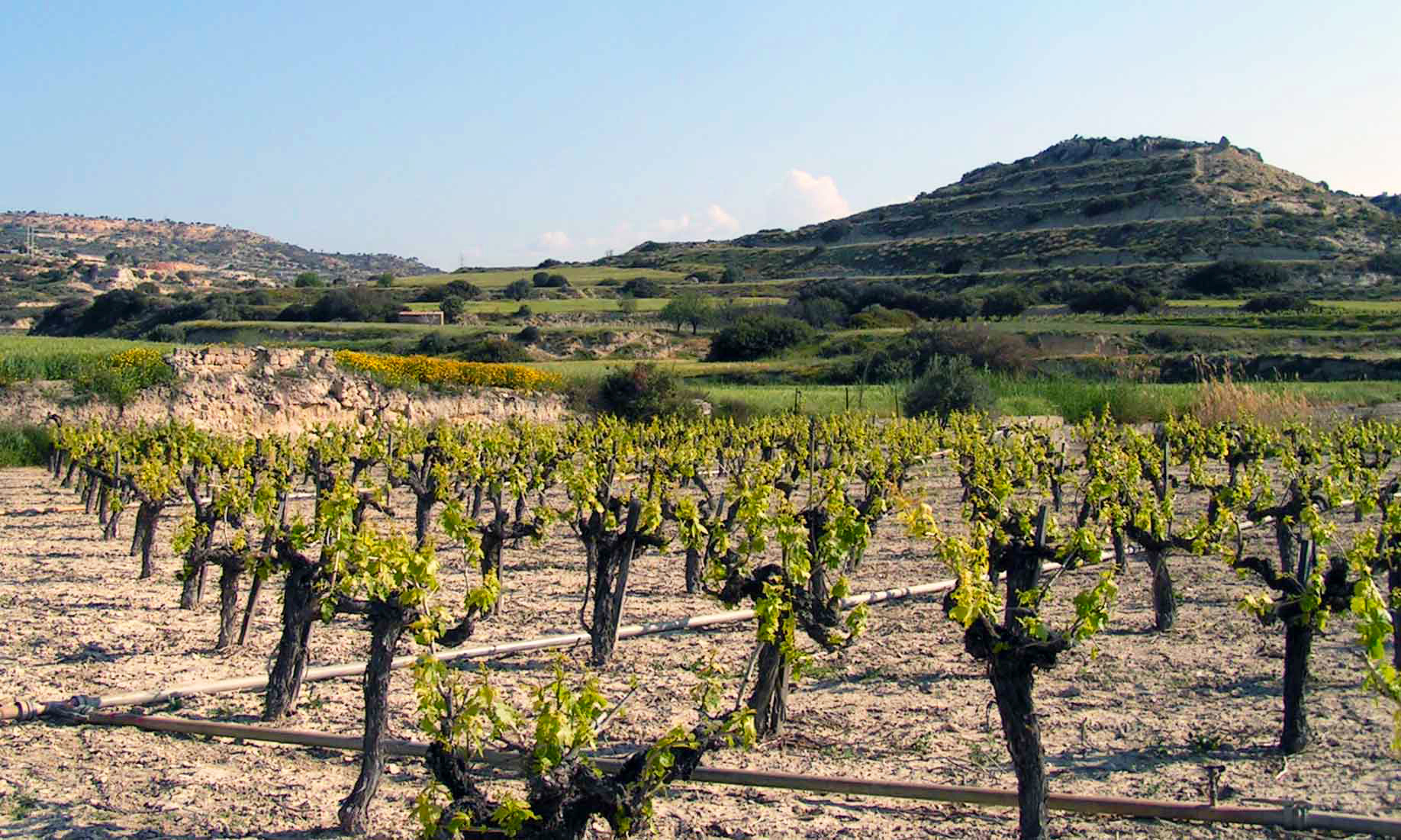
Cyprus has approximately 9,000 hectares of vineyards. They are located in the Greek, southern part of the island. Among other places on the southern slopes of the Troodos Mountains. The best vineyards are located at 600 to 1,500 meters above sea level, in places where there is (modest) rainfall. Cyprus has six wine regions: Pitsilia, Marathasa, Commandaria, South Troodos, East Troodos and North Troodos. The soil is mainly slate.
Cypriot winemakers press more than 13 million bottles of wine per year. This makes viticulture one of the pillars of the island's economy. The wine is served in the many tourist hotels in Cyprus, most of it is exported and the wineries also receive thousands of visitors per year.
There are around 50 wine companies active in Cyprus, most of them small to medium-sized. They focus on quality instead of quantity and they make modern wines. In our region, the wines of Cyprus are still relatively unknown, but certainly worth discovering.
Wine has probably been made in Cyprus for about six thousand years. Cyprus was already an important wine supplier in ancient times, mainly due to its strategic location in the Mediterranean. It was on the trade route between Greece and Egypt. In the Middle Ages, the sweet wine of Cyprus was especially popular. Ottoman rule was an intermezzo in which wine growing almost came to a standstill, but in the nineteenth century the winemakers picked up the thread again.
In the nineteenth century, the phylloxera phylloxera destroyed almost all European vineyards. They were replanted with American (resistant) roots on which the plants were grafted. The phylloxera plague passed Cyprus by, thanks to strict quarantine rules. These rules still exist, by the way. As a result, Cyprus is virtually the only place in Europe where wine is still made from ‘European grape roots’. It gave Cypriot winemaking a brief boost in the nineteenth century, when winemakers on the mainland were forced to abandon their activities.
A second boost came in the first half of the twentieth century. Winemakers in Cyprus produced oxidative ‘Sherry’ on a large scale, which was in great demand in England. Millions of bottles were shipped to London and Cyprus became the third largest wine supplier to Great Britain. In the course of the second half of the twentieth century, Cypriot Sherry fell into disrepair and was given the final blow by the EU, which exclusively granted the name Sherry to real Sherry wines from the Spanish region of Jerez. As far as we know, they are no longer being made at all.
Cyprus has focused on quality since the end of the last century. It was allowed to plant international grape varieties and smaller wine production was encouraged. Instead of grape growers having to transport their grapes for hours in the blazing heat to bottling plants in the Port cities, smaller wineries sprang up between the vineyards, often family businesses.
Accession to the EU in 2014 provided another boost. A system of appellations was introduced in 2017, with table wines, country wines and wines with a protected designation of origin. Subsidies were introduced for replanting poor vineyards. The area of vineyards decreased, but the quality increased significantly.
The most widely planted grapes in Cyprus are Mavro for red wines and Xynisteri for white. Mavro means ‘black’ in Greek. Mavro is not related to Mavrodaphne, Mavrotragano or Mavroudi which are grown in Greece. It accounts for almost half of Cypriot wine. But Mavro is anything but a quality grape. It is a workhorse that can achieve a very high yield per hectare. Only in vineyards at high altitude and when the winemaker prunes heavily can Mavro produce a good wine. Other important grapes of Cyprus are Carignan, Shiraz, Maratheftiko, Cabernet Sauvignon, Mataro, Lefkada, Promara, Chardonnay, Ofthalmo and Málaga. Although international grape varieties are allowed, strict quarantine rules have (thankfully) prevented the island from being flooded with Chardonnay and Cabernet.
A notable tradition in Cypriot wine culture is Commandaria. It is a very intense sweet dessert wine made by drying Mavro and Xynisteri grapes after harvest and then pressing them. The grapes can only come from vineyards near fourteen villages at the foot of the Troodos Mountains. Up to 22.5% alcohol can be added, but most bottles of Commandaria have a percentage of around 15%. Commandaria must be aged in oak barrels for at least two years




 Orange wine (31)
 Fresh (95)
 Light (35)
 Rosé (17)
 Aromatic (21)
 Medium (99)
 Sparkling (32)
 Ripe (72)
 Full-bodied (95)