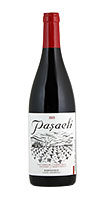
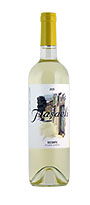
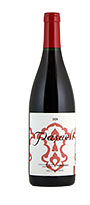
Paşaeli is a family winery from western Turkey. It is one of the pioneers in rediscovering forgotten Turkish grape varieties. The winery is based in Tire, south of İzmir. Paşaeli sources its grapes from vineyards spread across the west of the country, from Thrace to the Aegean interior. Paşaeli is best known for its wines from rare indigenous grapes, often from old bush vines. It has one of the largest ranges of indigenous varieties of any Turkish producer.

Paşaeli was founded in 2000 by brothers Seyit and Gino Karagözoğlu. Seyit, who grew up in İzmir, began his career in wine as an importer. His visits to producers in France and Italy convinced him that Turkey had the right soils, the right climate and the right grapes for fine winegrowing. In January 2000, at the age of 33, he started his own winery.
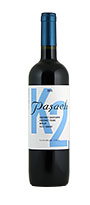
The first vineyard was planted near the village of Kaynaklar, south of İzmir. Because Bordeaux-style wines are popular in Turkey, his first two wines, Kaynaklar and K2, were Bordeaux blends. They gave Paşaeli a firm foothold in the domestic market, after which Karagözoğlu could focus on his real passion: tracking down and preserving indigenous grapes.
The turning point came in 2001. In Hoşköy, in Thrace, Karagözoğlu tasted a bottle of 1996 Kolorko, one of the last bottles from a winemaker who could no longer make the wine because the grape had all but disappeared. That was the start of the adventure with indigenous varieties: first with Papazkarasi, later followed by Yapıncak, Karasakız, Kolorko and Çakal – varieties that had almost died out.
Paşaeli commissioned DNA research into the Çalkarası, Yapıncak, Kolorko, Karasakız, Sıdalan and Çakal grapes, the first DNA research ever carried out on these Turkish varieties. In 2011, Paşaeli's Yapıncak won gold and the title of Best of Nation at the San Francisco International Wine Competition. It was the first time a Turkish wine had received this award, and the winery's reputation was now established internationally.
Paşaeli's vineyards are spread across different regions, so that each grape can grow in the area where it naturally belongs. In Kaynaklar near İzmir are the international varieties for the Kaynaklar and K2 wines; the first plantings there are now more than twenty years old. In Thrace, the winery has vineyards near Hoşköy and Şarköy, planted with Yapıncak and Kolorko. The Yapıncak vineyard near Şarköy was planted in the mid-1960s and lies three kilometres from the Sea of Marmara, on loam soil with limestone.
In Çanakkale, Paşaeli works near Bayramiç, about half an hour from ancient Troy. From 2009, Karagözoğlu searched here for Karasakız, a grape that used to be grown mainly for the state distillery Tekel and was later largely neglected. In 2019 he bought a vineyard of Karasakız bush vines dating from the mid-1980s, followed in 2022 by a very old vineyard of Sıdalan and Çakal. In Çal, in Denizli province, the winery sources Çalkarası and Öküzgözü from three vineyards. Many of these vineyards were bought with the vines already in place and have since been restored. Almost all of them are bush vines.
The range consists largely of single-variety, single-vineyard wines made in small quantities. The international side is represented by the red Bordeaux blends Kaynaklar and K2. The indigenous wines include whites from Yapıncak, Sıdalan, Sultaniye and Emir, and reds from Karasakız, Kolorko, Papazkarasi, Öküzgözü and Karalahna.
The winery produces around 200,000 bottles a year in total. If you're ever in the area, for example on holiday in İzmir, get in touch with them: visits to the winery in Tire are possible by appointment. We currently have five wines from Paşaeli in our range. You can view all our wines from Paşaeli here.
If you want to know more about this winery, here you will find the link to the website of Paşaeli.



 Orange wine (32)
  Fresh (97)
  Light (36)
  Rosé (17)
  Aromatic (21)
  Medium (98)
  Sparkling (30)
  Ripe (70)
  Full-bodied (99)